Protection dogs for sale in Connecticut: what the rules ask of owners
Connecticut makes the owner or keeper answerable for damage a dog does, so the first purchase is control, not intimidation.
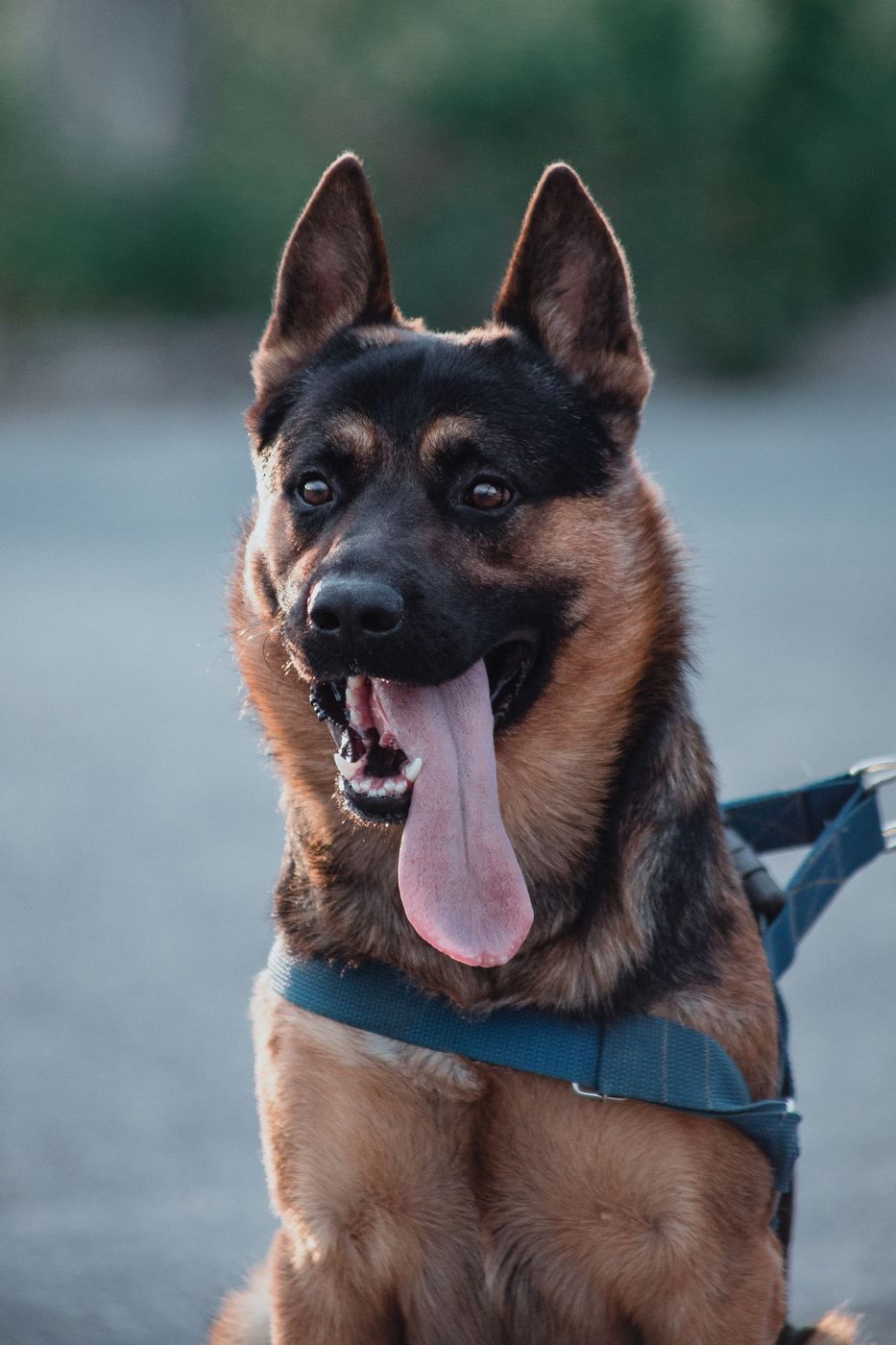
Liability comes with the leash
A strong dog changes your legal position the day it comes home. This site explains that position with sourced, linked pages on the statute, town licensing and public land.
Nothing here is legal advice or an offer to sell a dog. K9PN, the referral service behind the form, does not breed, sell or train animals.
Where to start reading
Connecticut dog law
How strict liability under § 22-357 works.
Town licensing
Clerk offices, June renewals and rabies proof.
State parks
The leash limit and where dogs cannot go.
Hot weather
State guidance for pets in extreme heat.
Buying checklist
Eight checks before paying a deposit.
Trained dog claims
How to test what a seller tells you.
Strict liability, in brief
Connecticut General Statutes § 22-357 makes the owner or keeper liable for damage a dog does, with exceptions for trespass and for teasing or tormenting the dog.
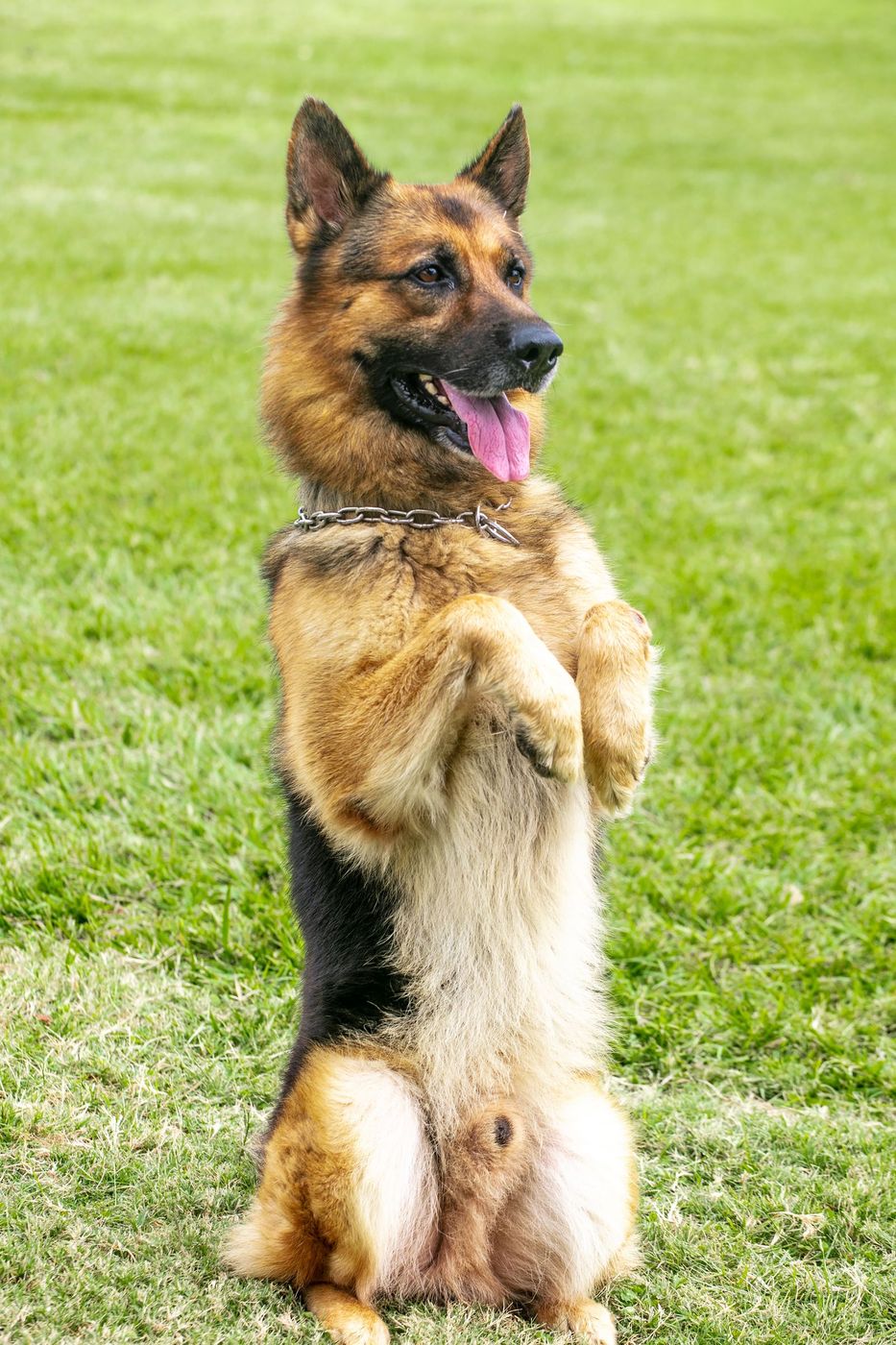
For a guard-type dog that means a latched gate, a tested recall and a conversation with your insurer before the dog arrives.
Quick answers
Is this a dog sales site?
No. K9PN is a referral service and does not breed, sell or train dogs.
Is Connecticut a strict-liability state?
Yes. The legislature's research office describes § 22-357 as a strict liability statute with limited exceptions.
Where do I license a dog?
At your town clerk's office. Dogs six months and older must be licensed, with proof of rabies vaccination.
Can I camp with a dog in a state park?
Not in state park campgrounds. DEEP lists pet exceptions at a few state forest campgrounds.
Thinking about a protection dog in Connecticut?
Send your ZIP code and a few details about your home. A professional who works near you can get in touch.
Ask for a referral